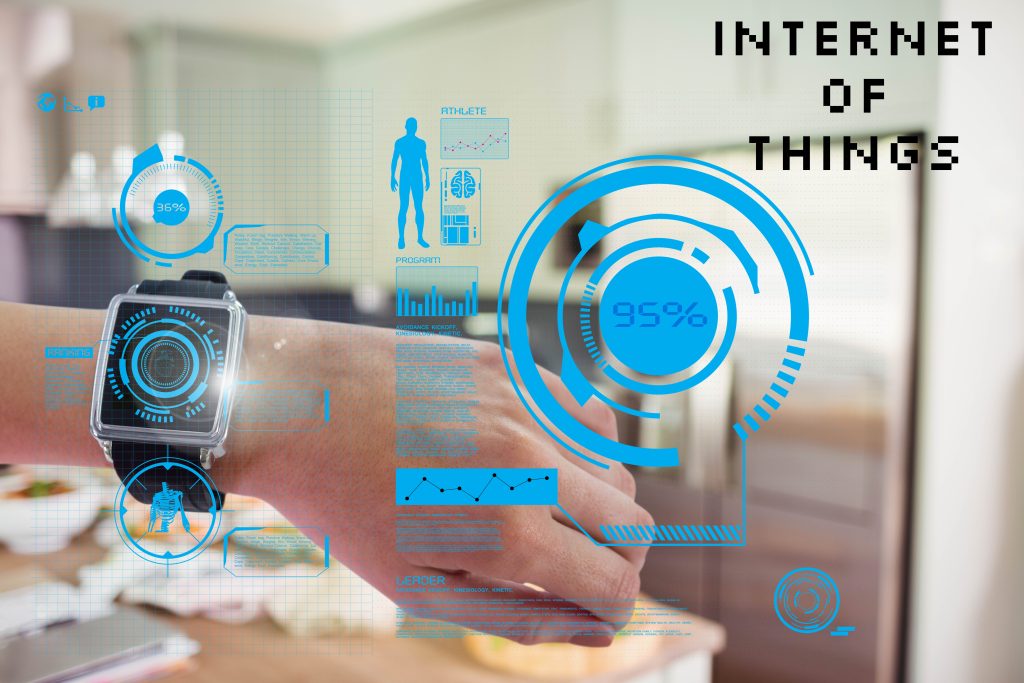

Transforming Healthcare with IoT
In recent years, the healthcare industry has witnessed a remarkable transformation with the advent of Internet of Things (IoT) technology. IoT has opened up a world of possibilities, revolutionizing patient care, enhancing operational efficiency, and driving innovation in healthcare. This blog explores how IoT is transforming healthcare, bringing forth a new era of connected medicine and improving outcomes for patients and providers alike.
1.Enhanced Remote Patient Monitoring: IoT has revolutionized remote patient monitoring, allowing healthcare professionals to continuously monitor patients’ vital signs and health parameters from the comfort of their homes. Wearable devices, connected sensors, and mobile apps collect real-time data on heart rate, blood pressure, glucose levels, and more, enabling timely interventions, personalized care, and early detection of potential health issues.
2.Smart Medical Devices: The integration of IoT with medical devices has paved the way for smart healthcare solutions. Connected devices, such as smart beds, infusion pumps, and defibrillators, can transmit data to healthcare providers in real-time, enabling proactive maintenance, reducing downtime, and enhancing patient safety. IoT-enabled devices can also automatically update electronic health records (EHRs), ensuring accurate and up-to-date patient information.
3.Telemedicine and Virtual Care: IoT has played a crucial role in the rise of telemedicine and virtual care, especially in remote and underserved areas. Through video consultations, remote diagnostics, and digital health platforms, patients can access healthcare services conveniently from their homes. IoT enables seamless connectivity between patients, healthcare providers, and medical devices, facilitating remote examinations, virtual monitoring, and the delivery of timely care.
4.Efficient Resource Management: IoT applications have improved resource management in healthcare facilities, leading to better operational efficiency. Connected systems can monitor equipment utilization, optimize inventory management, and automate workflows. Smart building solutions leverage IoT to control lighting, temperature, and energy consumption, ensuring comfortable environments while minimizing waste. IoT-driven asset tracking and management systems help locate and manage medical equipment efficiently, reducing costs and streamlining operations.
5.Predictive Analytics and Preventive Care: By harnessing IoT data, healthcare providers can leverage predictive analytics to identify patterns, predict health outcomes, and intervene proactively. IoT-enabled algorithms analyze vast amounts of patient data to identify high-risk individuals, enabling timely interventions, preventive care strategies, and personalized treatment plans. This proactive approach improves patient outcomes, reduces hospital readmissions, and reduces healthcare costs in the long run.
6.Advancements in Research and Development: IoT facilitates large-scale data collection from diverse sources, enabling healthcare organizations and researchers to gather valuable insights for medical research. By analyzing real-world data from connected devices and wearables, researchers can gain a deeper understanding of diseases, treatment effectiveness, and population health trends. This wealth of data fuels advancements in precision medicine, drug discovery, and the development of innovative healthcare solutions.
Conclusion: The integration of IoT in healthcare has unleashed a wave of transformation, empowering both patients and healthcare providers with connected technologies and data-driven insights. From remote patient monitoring to telemedicine, predictive analytics to smart devices, IoT is revolutionizing healthcare, improving patient outcomes, and driving efficiencies across the industry. As IoT continues to evolve, we can expect even more innovative applications that will shape the future of healthcare, leading to a healthier and more connected world.