
How IoT is Revolutionizing the Agriculture Industry
The agriculture industry is one of the oldest and most important industries in the world, but it’s also one that is facing new challenges and opportunities in the 21st century. With a growing global population and increasing demand for food, farmers are under pressure to produce more with less, while also dealing with climate change, resource depletion, and other environmental issues.
Fortunately, the Internet of Things (IoT) is here to help. By connecting sensors, devices, and other technology to the internet, farmers can gather and analyze data in real-time, allowing them to make better decisions and optimize their operations. Here are just a few of the ways that IoT is revolutionizing the agriculture industry.
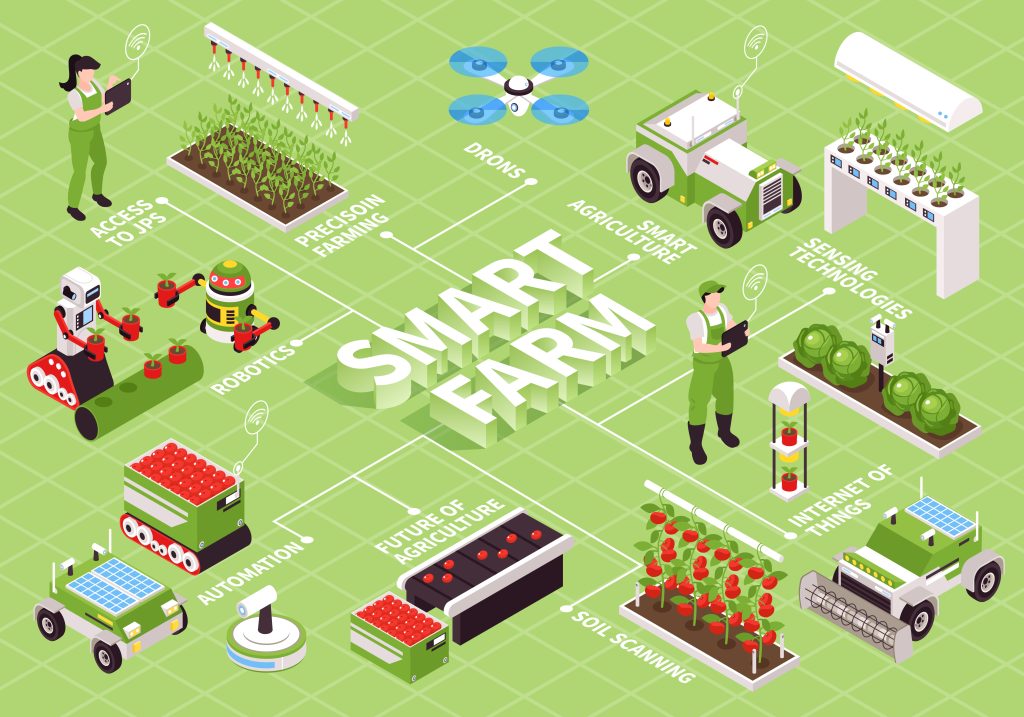
Precision agriculture is the practice of using technology to monitor and manage crops with a high degree of accuracy. This can include things like soil moisture sensors, weather stations, and drones that can provide detailed images of crops from above. By gathering this data, farmers can optimize irrigation, fertilization, and other inputs to improve crop yields and reduce waste.
Livestock Management IoT technology can also be used to monitor and manage livestock. For example, sensors can be placed in animal feeders or water troughs to track consumption and detect potential health issues. GPS collars can also be used to track the movement of livestock, which can help farmers identify grazing patterns and optimize pasture management.
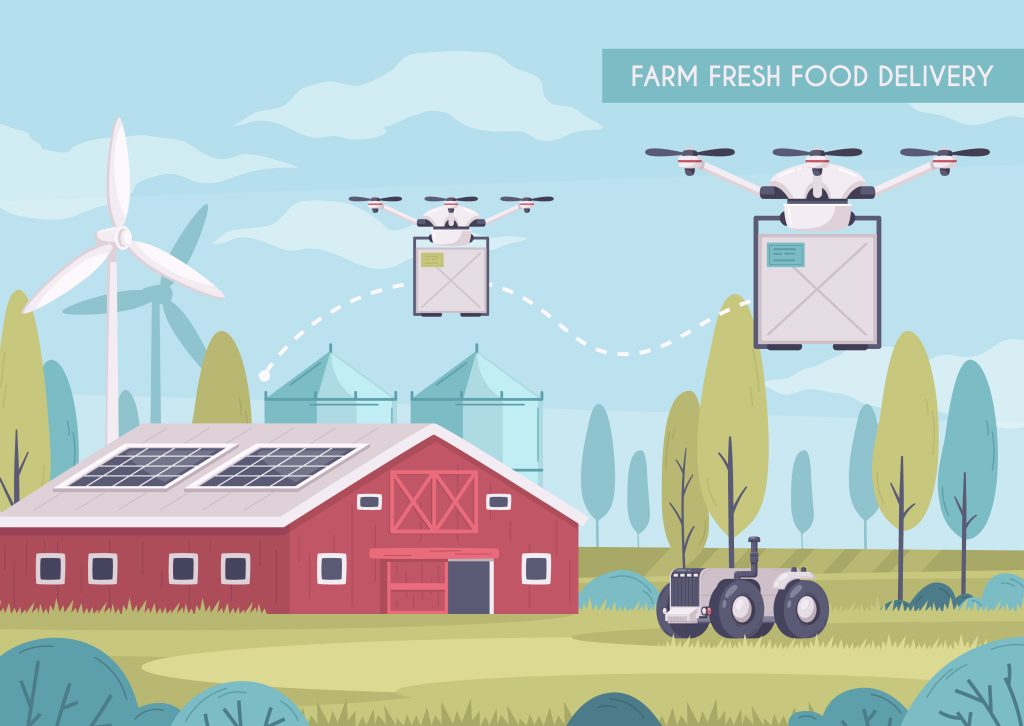
Supply Chain Management Finally, IoT can also be used to improve supply chain management in the agriculture industry. For example, sensors can be placed in shipping containers or trucks to track the temperature and humidity of perishable goods during transport. This can help ensure that crops and other products arrive at their destination in optimal condition, reducing waste and increasing profitability.
In conclusion, IoT is revolutionizing the agriculture industry by providing farmers with the data and insights they need to make better decisions and optimize their operations. From precision agriculture to livestock management to supply chain management, the opportunities are endless. As IoT technology continues to evolve and become more accessible, we can expect to see even more innovation in the years to come.